Which PFAS rules apply in your market?
A private-label floss order involves two separate decisions: which yarn to buy and what to print on the package. Some smooth-gliding floss uses PTFE (polytetrafluoroethylene), a fluoropolymer in the PFAS family. Buyers considering a different yarn can start with nylon, polypropylene, or flat polyester. A finished-product claim also needs evidence for the wax, coatings, and other components.
Minnesota has restricted dental floss containing intentionally added PFAS since January 1, 2025. Vermont’s Act 54 sets July 1, 2027, as the effective date for dental floss. California’s proposed January 1, 2028, deadline in SB 682 was vetoed. For industry coverage, see MultiState’s roundup, SGS’s Vermont update, and Yordas Group’s North America tracker.
In the EU, the April 2026 provisions of the PFHxA restriction apply to specific firefighting foams. Check the substance, use, and exemptions for your product. ECHA also tracks the broader PFAS restriction proposal. Separately, the Stockholm Convention amendment lists long-chain PFCAs, their salts, and related compounds. Its December 2026 timetable depends on the party and applicable exemptions.
Three non-PTFE filaments for private-label floss
Choose a sample in the format your buyer will stock. Compare the feel of the strand, the coating, and the pack side by side before approving a retail specification.
| Filament | What to compare | Retail format | AitoFloss references |
|---|---|---|---|
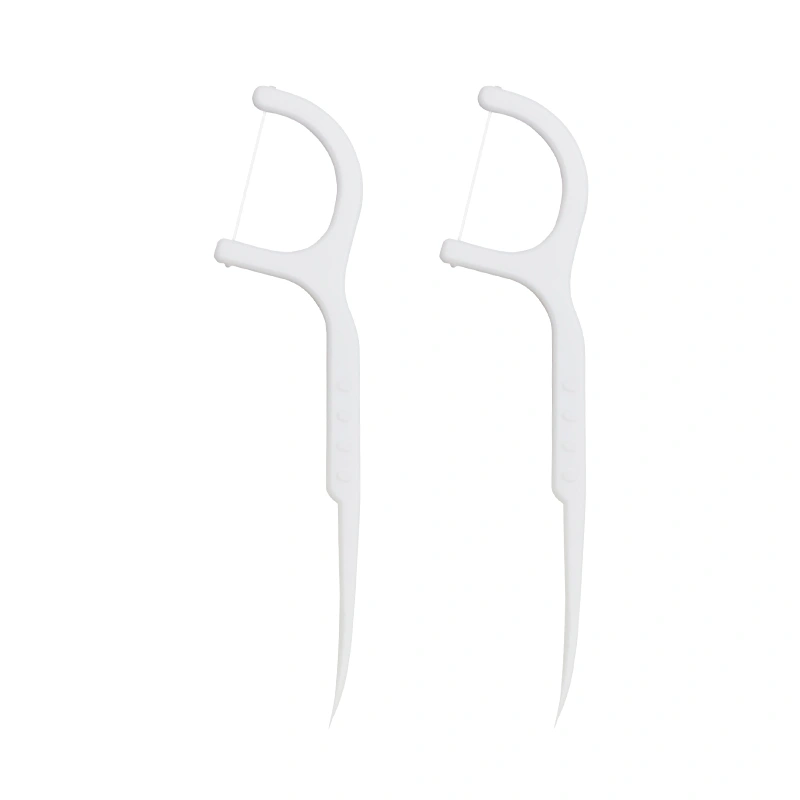
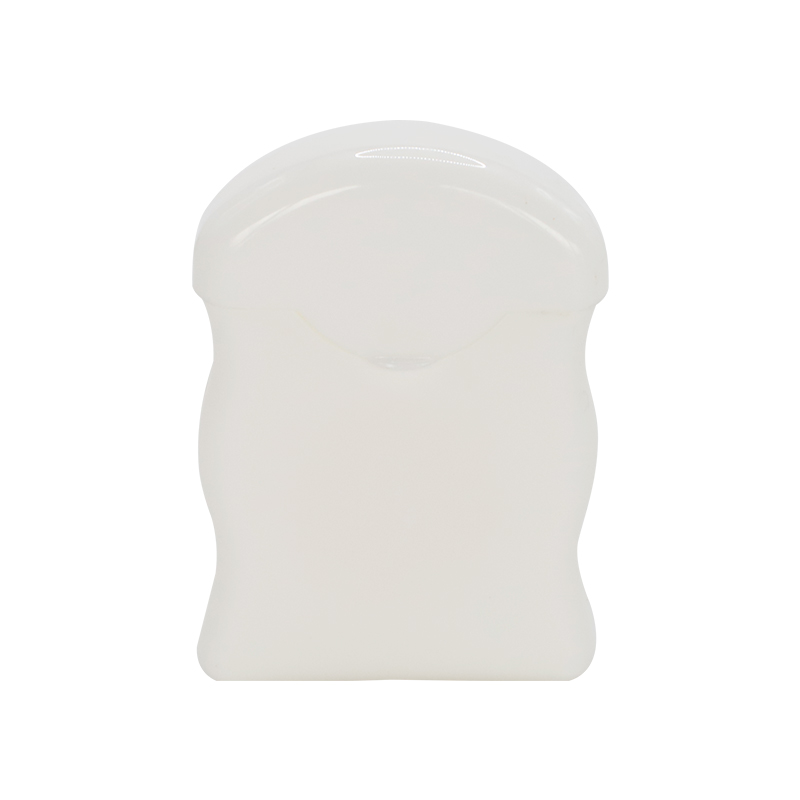
| Nylon | Compare strand feel, wax level, and how the floss feeds from the dispenser. | Everyday pharmacy or supermarket rolls and boxed picks. | AF001 · 50 m rounded dispenser, AF006 · 50 m teardrop dispenser, AF007 · picks in a storage box |
| Polypropylene (PP) | Compare a PP sample with the nylon option under the same coating specification. | Clear dispensers for high-volume retail assortments. | AF002 · 50 m clear dispenser |
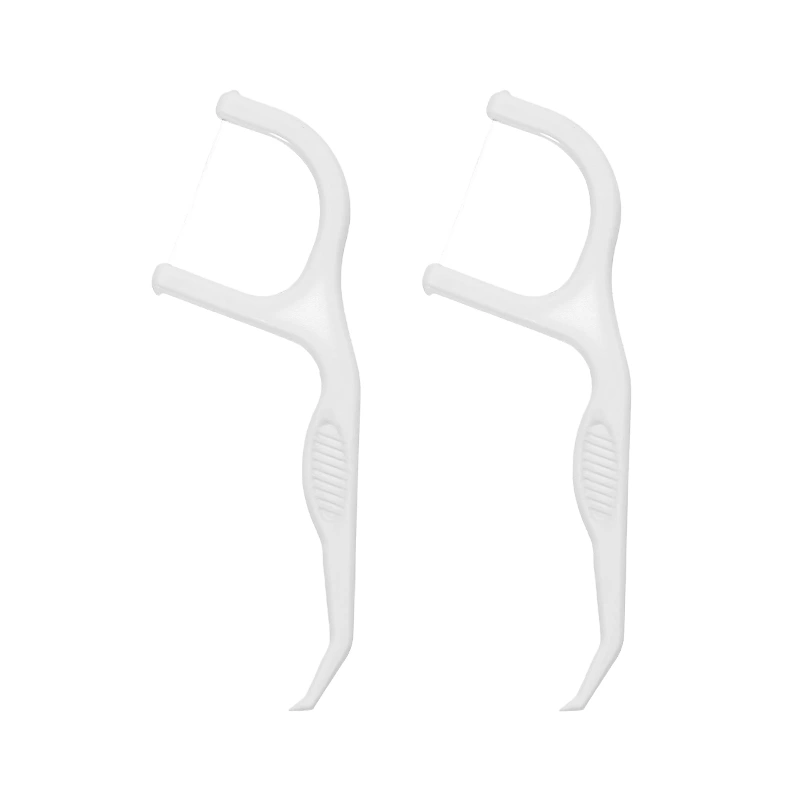
| Flat polyester | The ribbon-shaped strand gives buyers a distinct profile to assess for fit and glide. | Floss picks for a retail line offering a flat-strand option. | AF023 · flat polyester floss picks |
These material references cover the floss strand. Confirm wax, flavors, handle resin, and the final pack against the approved sample and written quotation.
What to verify before printing a PFAS-free claim
Ask the manufacturer and testing laboratory to tie their documents to the exact SKU, formula, and production lot. Keep those records with the approved artwork.
Base yarn. Record the polymer name and grade on the specification. For picks, record the handle resin separately.
Wax, coatings, and processing aids. Specify waxed or unwaxed floss and ask for written declarations covering each finish and any intentionally added fluorinated substances.
Flavors and additives. For mint or another flavor, obtain a declaration for the precise formulation and destination market.
Finished-product testing. Agree on the sample, lot, method, analytes, and reporting limits with an accredited lab. A targeted panel covers the compounds listed in the report. Total organic fluorine screening alone cannot identify the compound or establish intentional use.
How the FDA classifies dental floss
The FDA classifies dental floss under 21 CFR 872.6390 as a Class I medical device. The FDA product classification record identifies dental floss under product code JES.
Standard dental floss in this classification is generally exempt from 510(k) premarket notification, subject to 21 CFR 872.9. Confirm that the intended use and design fall within that exemption.
FDA general controls still apply, including applicable establishment registration, device listing, and labeling requirements. Review state PFAS rules, destination-market requirements, and the retailer’s specifications before approving artwork.
What to include in your request for quotation
Give the factory enough information to quote the same product you intend to sample, label, and order.
Product format and model. For rolls, reference AF001, AF002, or AF006. For picks, reference AF007 or AF023. You can also browse all 32 references.
Yarn and finish. Specify nylon, PP, or flat polyester, together with wax and flavor preferences.
Market and proposed claim. Name the destination countries or US states, the proposed wording, and any required declarations or third-party tests.
Pack configuration. Give meters per roll or picks per pack, the container, and artwork format. For example, specify a 50 m roll or a 50-count box if that is your target.
Quantity. Provide the trial order and forecast annual units for each SKU.
Timing. Give your sample approval window, artwork deadline, and target shipment date.
For matching samples and a written quotation, request a quote or email sales@aitofloss.com with the model numbers and destination market.
Frequently asked questions
Does choosing nylon or polyester make the finished floss PFAS-free?
The yarn specification identifies the base fiber. A PFAS-free claim also needs evidence covering the wax, coatings, flavors, processing aids, and other relevant components. Match any test report to the finished product and the proposed claim.
How is dental floss regulated in the United States?
Standard dental floss is a Class I medical device under 21 CFR 872.6390, product code JES. It is generally exempt from 510(k) notification subject to 21 CFR 872.9. Applicable registration, listing, labeling, and other general controls still apply.
Which AitoFloss references have confirmed non-PTFE base filaments?
AF001, AF006, and AF007 use nylon floss. AF002 uses polypropylene floss, and AF023 uses flat polyester floss. These specifications describe the strand. Project-specific declarations and finished-product test coverage require separate confirmation.
What should I send to request a private-label sample?
Send the model number, destination market, yarn, wax or flavor preference, pack configuration, order quantity, and any lab or retailer requirements. Include your deadline for sample approval.